The kitchen is the heart of the home, where your family spends much of its time congregating around family meals.
Having a non-toxic kitchen is just as important as what you're eating.
You could be taking all these steps to eat healthy, detoxifying foods, but if you're cooking in toxic cookware and storing leftovers in plastic containers, you're undoing your hard work.
If you're putting effort into detoxifying your life, eating healthily, losing weight, you want that effort to pay off. So why continue using plastic containers, non-stick aluminium cookware, and cleaning products filled with endocrine disrupting chemicals?
Plastics are the biggest problem
Start here. It's simple and cheap to reduce the toxic load in your kitchen today.
Many of us don't realise how much plastic we have. Open your cabinets and drawers: lunch boxes, spatulas, pasta strainers, mixing bowls, plastic cups, food storage containers. The kitchen probably has more plastic items than any other room in your house.
Plastics are made from polymers and chemicals that determine their qualities: hard, soft, flexible, clear, coloured, or opaque. Each manufacturer uses a proprietary recipe and isn't required to disclose ingredients.
The main types to avoid
PETE or Polyethylene terephthalate - plastic juice bottles, peanut butter jars, tomato sauce bottles.
Polycarbonate - food processor bowls, children's drinking cups, blender carafes, sturdy food storage containers.
PCV - includes DEHP with phthalates, which can make up 30% of PVC. Found in cling wrap, plastic squeeze bottles, cooking oil bottles.
PS or Polystyrene - Styrofoam food trays, disposable cups, egg cartons, takeaway containers.
BPA - used in polycarbonate plastic and epoxy resins. Lines most canned foods and is in reusable food and drink containers.
The health impact
BPA is an endocrine disrupting chemical that interacts with your body's hormones. It can block or mimic natural estrogen, disrupting your entire endocrine system.
Even low-dose BPA exposure may cause obesity, altered liver function, aggressive behaviour, early puberty, hormone-dependent cancers, and lower testosterone levels.
Heat makes it worse
When hot, oily, acidic sauce touches plastic, the physical line between plastic and food blurs. Some sauce migrates into the plastic's structure. That's why your containers stay stained after washing - the sauce is inside the plastic, not on it.
The inverse happens too: plastic molecules end up in your sauce.
Heat, oil, acidity, and abrasion release chemicals that are endocrine disrupting. These toxins are a major reason many people struggle with weight loss.
When it comes to food contact, no plastics are truly safe. Is it easier to simply move away from plastics where they touch food?
Six simple steps
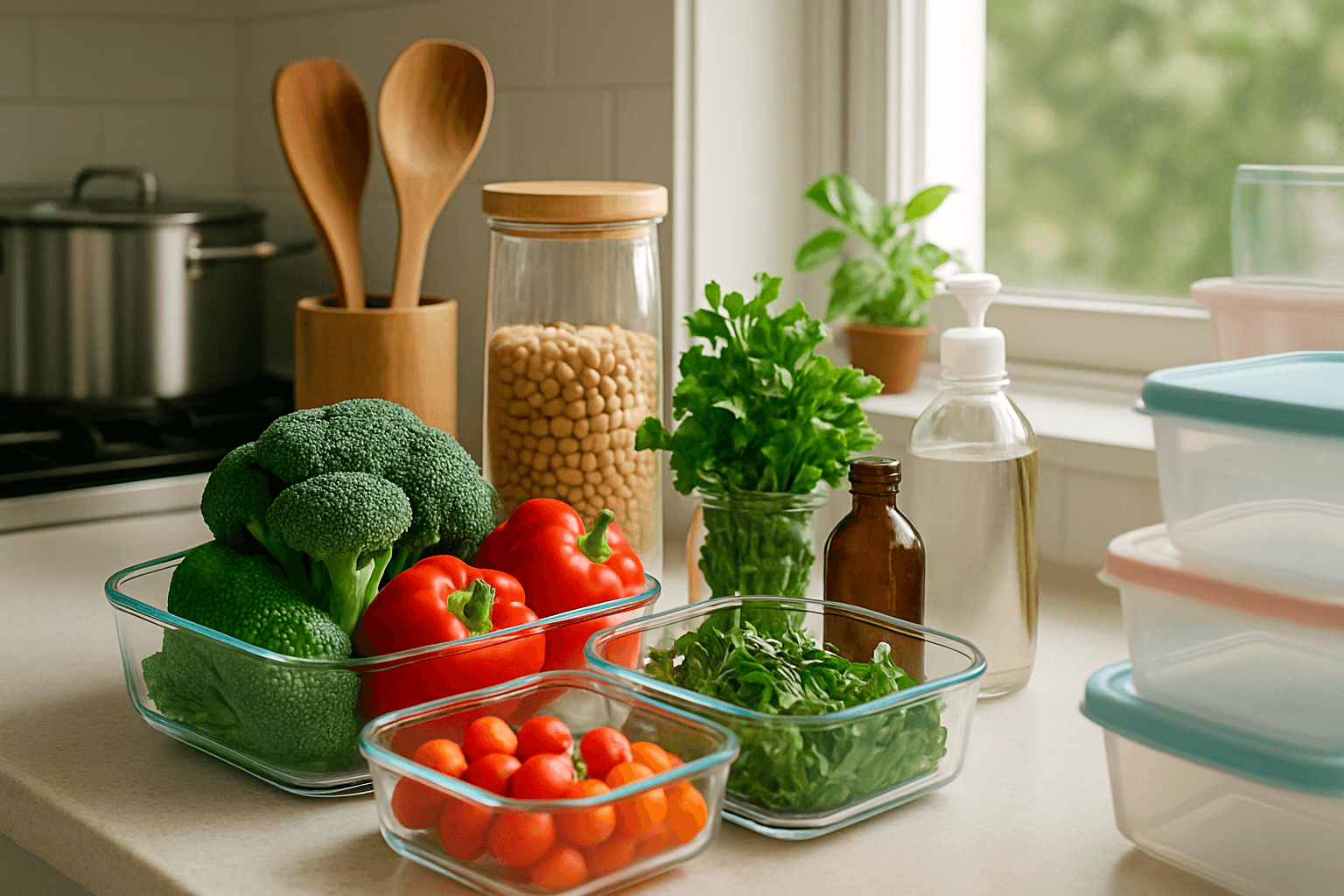
1. Switch to glass storage containers - IKEA, Target, and Amazon have hundreds of inexpensive options. Earthware has non-toxic glass containers that are 100% plastic and microplastic free.
There are too many people counting calories, not enough counting chemicals.
2. Reuse glass jars - For an even cheaper option, wash and reuse jars from sauerkraut, breakfast spreads and pasta sauce.
3. Upgrade water bottles - Swap plastic for glass or stainless steel. Klean Kanteen bottles are widely available.
4. Replace plastic utensils - Use wood, bamboo, or other non-toxic materials.
5. Try beeswax wraps - Beeswax wraps are toxic-free and work well for wrapping food in the fridge or for school lunches.
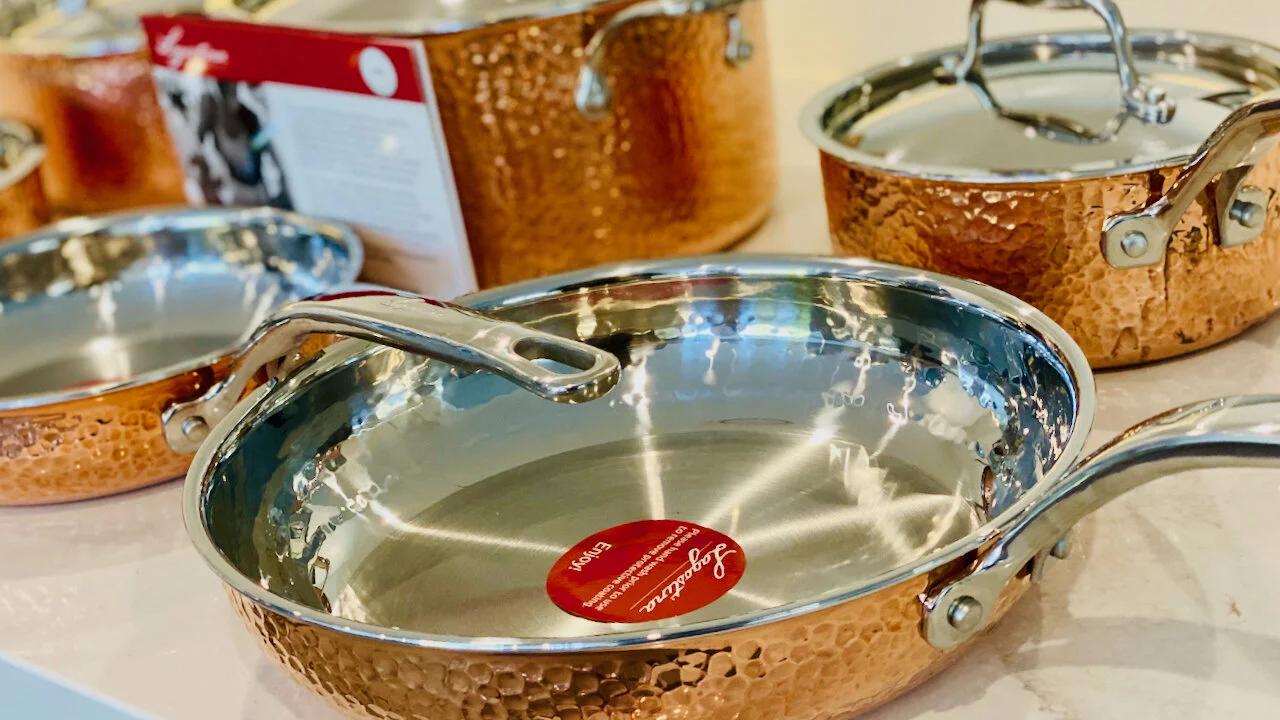
6. Invest in better cookware - Aluminium can leach into food and has been linked to dementia and Alzheimer's. Choose chemical-free pans. I've used Green Pan ceramic non-stick for years. I also invested in Lagostina stainless steel lined copper cookware. Mamavation rates them as one of the least toxic.
Start where you are
We don't have to be perfect. It's impossible to completely eliminate chemical exposure and live a modern life. It's about balance and moving in the right direction.
Every small change today makes a big difference in cumulative chemical exposure over time. Celebrate each switch to a less toxic product.